Choosing the Right Gutter Guard for Trees, Heavy Rainfall, and Roof Debris
Gutters play an important role in protecting a home from water damage by directing rainwater away from the roof, walls, foundation, and landscaping. However, gutters can quickly become ineffective when they fill with leaves, pine needles, dirt, twigs, and other debris. For homes surrounded by trees or located in areas with heavy rainfall, regular gutter cleaning can become a frustrating and time-consuming task.
Gutter guards are designed to reduce debris buildup while allowing rainwater to flow freely through the gutter system. However, not every gutter guard works the same way. The right choice depends on several factors, including the type of trees around your property, rainfall intensity, roof design, and the kind of debris your gutters usually collect.
Understanding these differences can help homeowners choose a gutter protection system that provides long-term performance instead of creating new problems.
Why Gutter Guards Matter for Homes With Trees
Trees add beauty, shade, and value to a property, but they can also create maintenance challenges. During different seasons, trees release various types of debris that can quickly block traditional gutters.
Common gutter problems caused by trees include:
- Leaves blocking water flow
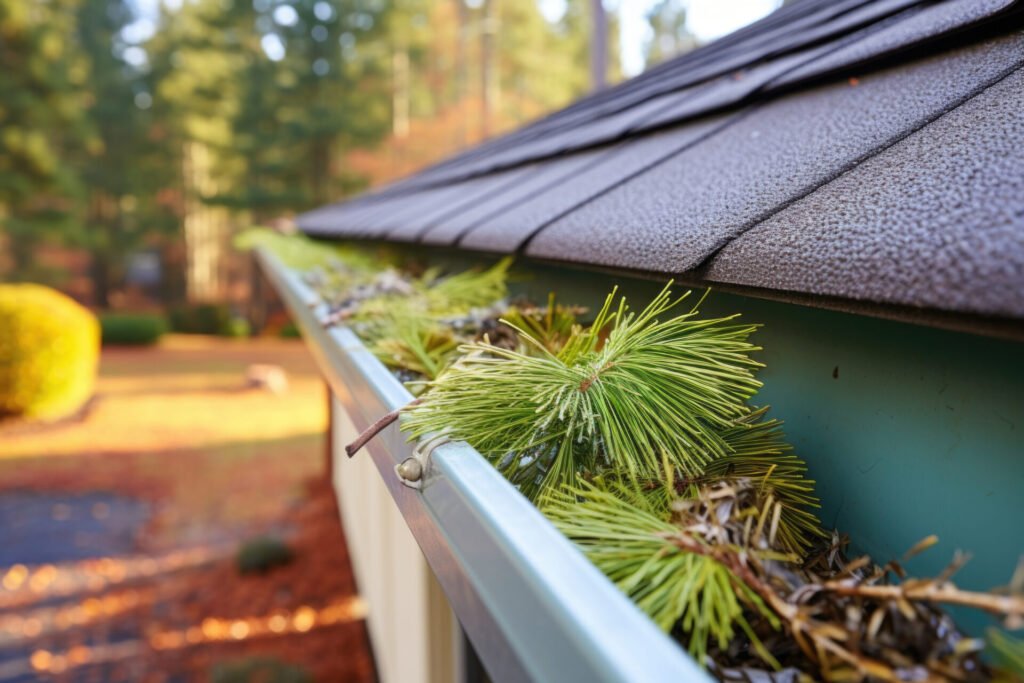
- Pine needles creating dense layers inside gutters
- Small branches entering the drainage system
- Organic material turning into sludge
- Standing water attracting insects and pests
When gutters remain clogged, rainwater can overflow and cause issues such as damaged siding, stained exterior walls, basement moisture, soil erosion, and foundation problems.
A quality gutter guard does not eliminate all maintenance, but it can significantly reduce how often gutters require cleaning.
Different Types of Gutter Guards Explained
Choosing a gutter guard requires understanding how each design handles water and debris.
Mesh Gutter Guards
Mesh gutter guards use a fine screen that allows water to pass through while blocking leaves and larger debris.
They are popular because they provide good protection against:
- Small leaves
- Seeds
- Pine needles
- Roof granules
High-quality stainless steel mesh systems usually perform better than cheaper plastic versions because they are more durable and less likely to crack under temperature changes.
However, very fine mesh can sometimes collect dirt, pollen, and small particles over time. Homes with heavy tree coverage may still need occasional maintenance.
Micro-Mesh Gutter Guards
Micro-mesh systems are designed with extremely small openings to block even tiny debris. They are often considered one of the more advanced gutter protection options.
Advantages include:
- Excellent protection against small debris
- Reduced clogging
- Better performance in wooded areas
- Long-lasting materials
The main consideration is that installation quality matters. Poorly installed micro-mesh guards may not handle heavy rainfall properly if water cannot enter the gutter quickly enough.
Reverse Curve or Surface Tension Gutter Guards
Reverse curve guards are designed to allow water to follow a curved surface into the gutter while leaves slide away.
They can work well in areas with large leaves and moderate rainfall, but performance varies depending on roof angle, rainfall intensity, and installation.
During extremely heavy storms, some water may flow over the guard instead of entering the gutter, especially if the system is not correctly matched with the roof design.
Foam Gutter Inserts
Foam inserts sit inside the gutter and allow water to pass through while blocking larger debris.
They are usually affordable and simple to install, making them attractive for homeowners looking for a basic solution.
However, foam systems may have limitations:
- They can absorb moisture and collect organic material
- They may deteriorate faster than metal options
- They may require replacement more frequently
They are generally better suited for areas with moderate debris rather than properties surrounded by dense trees.
Choosing a Gutter Guard for Heavy Rainfall
Rainfall conditions should be one of the biggest factors when selecting a gutter guard. A system that works well in a dry climate may struggle during intense storms.
For heavy rainfall areas, homeowners should consider:
High Water Flow Capacity
A gutter guard must allow enough water to enter the gutter quickly. If the surface restricts water movement, rain can overflow and damage the property.
Look for systems designed with:
- Larger drainage capacity
- Proper surface design
- Strong attachment methods
- Compatibility with larger gutters
Correct Gutter Size
Many gutter problems are caused by undersized gutters rather than poor guards.
Before installing a gutter protection system, check whether your existing gutters can handle local rainfall conditions. In areas with frequent storms, larger gutters and downspouts may provide better results.
Professional Installation
Even the best gutter guard can fail if installed incorrectly. Incorrect positioning can create gaps, water overflow, or debris accumulation.
Professional installers can evaluate:
- Roof pitch
- Existing gutter condition
- Fascia strength
- Water flow patterns
- Local weather conditions
How Roof Type Affects Gutter Guard Selection
Your roof design also influences how well a gutter guard performs.
Homes with steep roofs often experience faster water movement during storms. The gutter system must handle increased water speed without allowing overflow.
Roofs with:
- Large surface areas
- Multiple levels
- Valleys
- Skylights
may produce concentrated water flow in specific areas. These locations may require additional planning to prevent gutter overflow.
Common Mistakes Homeowners Make When Buying Gutter Guards
Many homeowners choose gutter guards based only on price, but the cheapest option is not always the most cost-effective.
Common mistakes include:
Choosing a Guard Without Considering Local Conditions
A home under pine trees has different needs compared to a property surrounded by large hardwood trees. The type of debris matters.
Assuming Gutter Guards Eliminate All Cleaning
No gutter guard system is completely maintenance-free. Dust, pollen, roof particles, and small organic materials may still collect over time.
Installing Guards on Damaged Gutters
Gutter guards cannot fix gutters that are already sagging, leaking, or incorrectly positioned.
The gutter system should be inspected and repaired before adding protection.
Ignoring Downspouts
Even clean gutters can fail if downspouts are blocked. Proper drainage requires the entire system to work together.
Maintaining Gutter Guards After Installation
Although gutter guards reduce maintenance, occasional inspections are still important.
Homeowners should check:
- Whether water flows correctly during rain
- Signs of overflowing gutters
- Loose sections
- Debris buildup on the surface
- Condition of nearby trees
A yearly inspection is often enough for many properties, although homes with heavy tree coverage may require more frequent checks.
Are Gutter Guards Worth the Investment?
For many homeowners, gutter guards can be a worthwhile upgrade because they reduce cleaning frequency, improve water management, and protect the home from drainage-related damage.
The value depends on factors such as:
- Number of trees near the house
- Roof accessibility
- Local weather conditions
- Current gutter problems
- Maintenance costs
A homeowner who spends significant time cleaning gutters or regularly deals with overflow issues may benefit more than someone with minimal debris exposure.
Final Thoughts
Choosing the right gutter guard is not simply about buying the most expensive option available. The best system depends on your home’s environment, roof design, rainfall conditions, and the type of debris your gutters collect.
Homes surrounded by trees usually benefit from stronger mesh or micro-mesh solutions, while properties in heavy rainfall areas need systems designed for fast water flow. Proper installation and regular inspections are equally important for long-term performance.
A well-chosen gutter guard system can make home maintenance easier while helping protect one of your most valuable investments from preventable water damage.