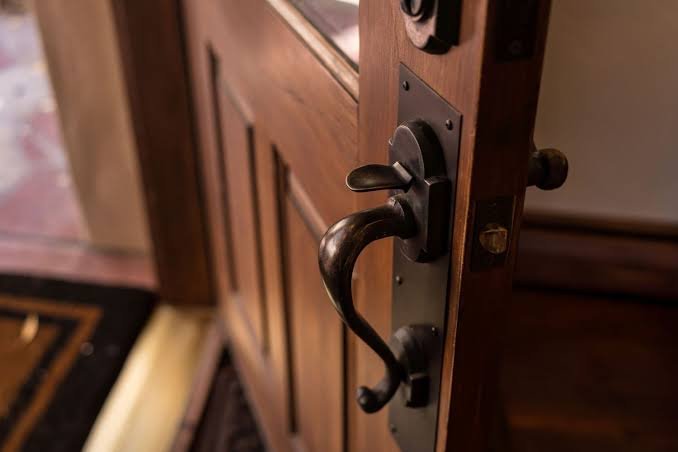
Why Interior Doors Start Sticking After Seasonal Weather Changes and How to Fix Them
A door that suddenly becomes difficult to open or close can be frustrating, especially when it worked perfectly a few months earlier. Many homeowners notice that interior doors start rubbing against the frame, becoming harder to latch, or making unusual sounds during certain seasons. This problem is common and usually appears when weather conditions change.
Seasonal changes affect more than just outdoor materials. Temperature shifts and humidity levels can cause wood, hardware, and building materials inside a home to expand or contract. Since interior doors are often made from wood or wood-based materials, they naturally react to moisture and environmental changes.
Understanding why doors stick and knowing how to fix the issue can help homeowners avoid unnecessary replacements and expensive repairs.
Why Do Interior Doors Stick During Different Seasons?
The main reason interior doors stick is movement caused by changes in moisture and temperature. Materials like wood absorb and release moisture depending on the environment.
During humid seasons, wooden doors absorb moisture from the air and expand slightly. In dry seasons, they lose moisture and shrink. Even small changes in size can affect how a door fits inside its frame.
A door does not need to expand significantly to create a problem. A few millimeters of movement can cause friction between the door edge and the frame.
Common seasonal causes include:
- Increased indoor humidity
- Dry winter air
- Temperature changes
- Poor ventilation
- Moisture entering through walls or floors
- Natural movement of wooden materials
Humidity and Moisture: The Biggest Causes of Door Problems
Humidity is one of the most common reasons interior doors become difficult to operate.
When the air contains more moisture, wooden doors absorb some of that moisture. This causes the fibers inside the wood to expand. Areas with bathrooms, kitchens, laundry rooms, or poor airflow often experience this issue more frequently.
For example, a bedroom door may work normally during dry months but begin sticking during rainy weather because moisture levels increase inside the home.
Signs that humidity may be causing your door problem include:
- The door sticks more during rainy periods
- The problem improves when the weather becomes dry
- Several wooden doors in the home experience similar issues
- The door feels swollen around the edges
Using a dehumidifier, improving ventilation, or controlling indoor moisture levels can sometimes solve the issue without any physical door adjustments.
How Temperature Changes Affect Interior Doors
Temperature changes can also influence how doors fit within their frames.
Wood expands slightly when it becomes warmer and contracts when temperatures drop. Although the movement is usually small, older doors or doors installed with very tight spacing may experience problems.
Seasonal temperature changes can affect:
- Door panels
- Wooden frames
- Hinges
- Door trim
- Paint layers
A door that was installed perfectly may begin rubbing after years because repeated expansion and contraction slowly change its shape.
Common Areas Where Doors Start Rubbing
Before fixing a sticking door, it helps to identify where the problem occurs.
Top Edge of the Door
If the top corner rubs against the frame, the issue may be related to hinge alignment or the door expanding upward.
Bottom Edge of the Door
A door rubbing at the bottom may indicate:
- Floor movement
- Loose hinges
- Carpet expansion
- Door sagging
Lock or Handle Side
If the latch side is difficult to close, the frame may have shifted or the hinges may need adjustment.
Entire Door Edge
When multiple areas rub, moisture expansion or frame movement may be responsible.
Simple Ways to Fix a Sticking Interior Door
Many door problems can be repaired without replacing the entire door. The right solution depends on the cause and severity of the issue.
Tighten Loose Hinges
Loose hinges are one of the easiest problems to fix.
Over time, screws can become loose because of repeated door movement. When hinges shift, the door can drop slightly and rub against the frame.
Check each hinge screw and tighten them properly. If screws no longer grip the wood, longer screws may provide better support.
Check Door Alignment
A misaligned door may appear swollen but actually be hanging incorrectly.
Look for:
- Uneven gaps around the door
- A door that tilts slightly
- Hinges pulling away from the frame
Adjusting hinge placement can sometimes restore proper alignment.
Sand the Problem Area
If the door has expanded slightly, sanding the rubbing area may solve the issue.
Steps include:
- Identify the exact rubbing point.
- Mark the area with a pencil.
- Remove the door if necessary.
- Sand the affected edge carefully.
- Apply paint or sealant afterward.
Avoid removing too much material because seasonal changes may cause the door to shrink again later.
Adjust the Hinges
Sometimes small hinge adjustments can correct a sticking door.
You can try:
- Tightening screws
- Replacing damaged hinges
- Adding hinge shims
- Adjusting hinge positioning
This method is especially useful when the door has dropped slightly.
Reduce Indoor Humidity
If moisture is the main cause, physical repairs alone may not solve the problem permanently.
Consider:
- Using exhaust fans in bathrooms
- Improving airflow between rooms
- Repairing leaks
- Using a dehumidifier
- Monitoring indoor humidity levels
Maintaining balanced humidity helps protect not only doors but also flooring, furniture, and wooden structures.
When Should You Replace an Interior Door?
Not every sticking door needs replacement. However, replacement may be necessary when:
- The door has major warping
- The wood is damaged by moisture
- The frame is severely shifted
- Repairs no longer provide a lasting solution
A professional evaluation can help determine whether repair or replacement is the better investment.
Preventing Future Door Problems
Regular maintenance can reduce seasonal door issues.
Helpful prevention steps include:
Seal Wooden Doors Properly
Paint, stain, or protective coatings help reduce moisture absorption. Make sure all edges, including the top and bottom of the door, receive proper protection.
Maintain Stable Indoor Conditions
Keeping indoor humidity and temperature relatively consistent reduces expansion and contraction.
Inspect Hinges Regularly
Lubricate hinges and check screws periodically to prevent alignment problems.
Avoid Excess Moisture
Fix plumbing leaks quickly and ensure areas like bathrooms have proper ventilation.
Final Thoughts
Interior doors sticking after seasonal weather changes is a common household problem, but it is usually manageable with the right approach. The issue is often caused by natural expansion and contraction of wood due to humidity and temperature changes rather than a major structural problem.
By identifying where the door is rubbing, checking hinges, controlling moisture levels, and making small adjustments when needed, homeowners can keep their doors working smoothly throughout the year.
Understanding how your home responds to seasonal conditions is an important part of maintenance. Small preventive actions can protect interior features, improve comfort, and help avoid larger repair costs in the future.